Safe Sleep for Babies: The AAP Rules, Explained Simply
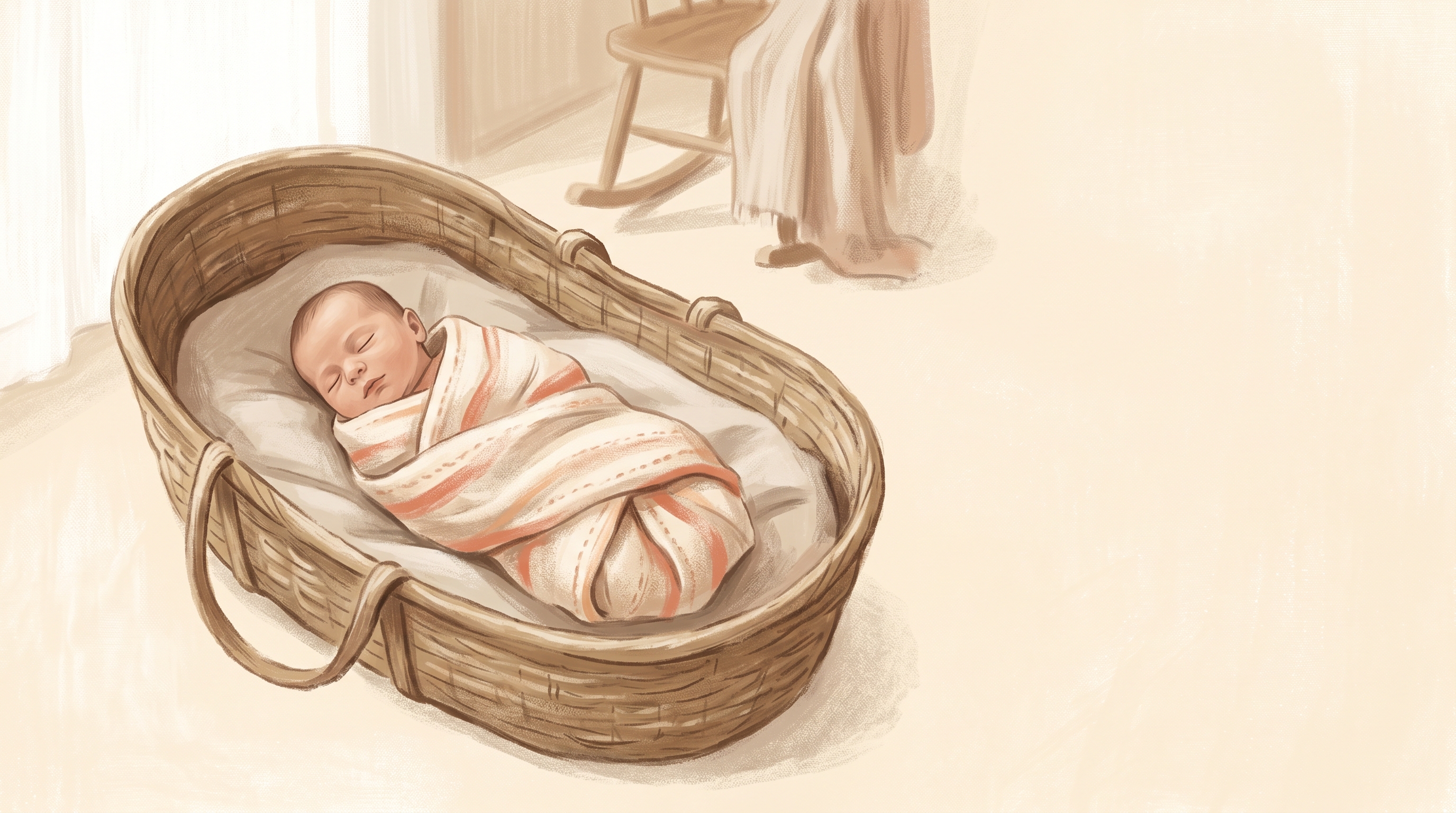
Of everything in this sleep guide, this is the part that matters most — and the good news is that the rules are simple, free, and proven to lower risk. The American Academy of Pediatrics updated its safe-sleep guidance in 2022, and it comes down to a handful of habits you can set up tonight. (AAP 2022 policy, Pediatrics; HealthyChildren.org)
We'll explain the "why" behind each one, because understanding it makes it far easier to stick to at 3 a.m.
The core rules
1. Always on the back, every sleep. For every nap and every night, until your baby's first birthday. Back sleeping does not increase choking risk in healthy babies — the airway is built to protect against it — and it's the single most studied factor in reducing Sudden Infant Death Syndrome (SIDS). (AAP)
2. A firm, flat, separate sleep surface. A crib, bassinet, or play yard that meets current safety standards, with a firm mattress and a fitted sheet — nothing else. Inclined sleepers and in-bed "loungers" are not safe for sleep.
3. A bare space. No pillows, blankets, bumpers, or stuffed animals. Soft objects and loose bedding raise the risk of suffocation. Dress your baby in a sleep sack instead of using a blanket.
4. Room-share, don't bed-share. The AAP recommends your baby sleeps in your room, on their own surface, ideally for the first 6 months. Room-sharing is linked to lower risk; sharing an adult bed raises it.
5. Offer a pacifier at sleep time (once breastfeeding is established, if you're nursing). Pacifier use at sleep is associated with reduced SIDS risk — and it's fine if it falls out once they're asleep.
6. Avoid overheating and smoke. Keep the room at a comfortable temperature, don't overbundle, and keep your baby's environment smoke-free. Breastfeeding and keeping up with routine vaccinations are also associated with lower risk.
Common things parents get wrong (no shame — these are everywhere)
- "Just this once" on the couch or armchair. Falling asleep with your baby on a sofa or recliner is one of the highest-risk situations. If you're feeding at night and worried about dozing off, feed in your bed (cleared of pillows and blankets) and move baby to their own surface after — the AAP notes this is less risky than a couch.
- Crib bumpers and "breathable" mesh liners. Skip them. Federal rules in the US now ban the sale of padded crib bumpers.
- Sleep positioners and wedges. Not recommended; they've been linked to deaths.
- Weighted sleep sacks/swaddles. The AAP advises against weighted blankets, sacks, or swaddles for infants.
What about swaddling?
Swaddling can help young babies settle — but stop swaddling as soon as your baby shows any sign of rolling (often around 8 weeks or earlier), because a swaddled baby who rolls to their stomach can't reposition. See our swaddle-transition guide for how to wean off it safely.
Safe sleep guidance reflects the AAP's 2022 recommendations and CDC information. It's general education, not a substitute for advice from your pediatrician — bring any specific concerns (reflux, prematurity, breathing) to them directly.
---
Wermom keeps your baby's sleep log, safe-sleep checklist and routine in one place, so the important things don't slip at 3 a.m. [See how Wermom works →]
Get the Wermom app — freeFrequently asked questions
Is back sleeping safe if my baby spits up?
Yes. Healthy babies automatically protect their airway and swallow or cough up fluids when on their back. The AAP still recommends back sleeping even for babies with reflux.
When can my baby sleep with a blanket or stuffed animal?
Keep the sleep space bare for at least the first 12 months. After age 1 the risk drops, but check with your pediatrician.
Does room-sharing mean I'll never sleep?
Room-sharing means a separate surface (bassinet/crib) in your room — not your bed. Many families find it easier for night feeds, then move baby to their own room later.